
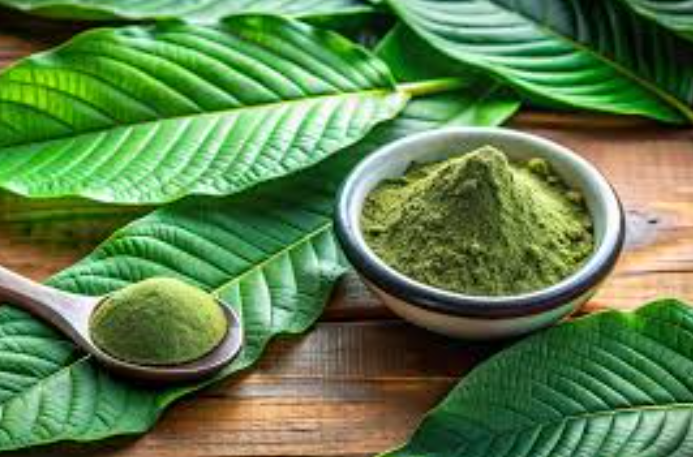

Kratom is no longer a niche botanical. With millions of users across the U.S. turning to Mitragyna speciosa for energy, mood support, and relaxation, the market has exploded — and so has the confusion around product types.
Should you use kratom extract or kratom powder? The answer isn’t one-size-fits-all. These two forms differ significantly in potency, bioavailability, onset time, cost, and best-use scenarios. Getting this choice wrong can mean underwhelming effects, wasted money, or uncomfortable side effects.
This comprehensive guide breaks down every difference that matters — so you can make an informed, safe, and cost-effective decision.
See More: Exploring Virtual Therapy: A Detailed Look at Online Mental Health Options
1. What Is Kratom? A Quick Primer
Kratom (Mitragyna speciosa) is a tropical tree native to Southeast Asia — primarily Thailand, Indonesia, Malaysia, and Papua New Guinea. Its leaves contain over 40 active alkaloids, with mitragynine and 7-hydroxymitragynine (7-HMG) being the primary compounds responsible for its effects.
At low doses, kratom is typically stimulating; at moderate-to-high doses, it tends toward relaxation and sedation. The compound 7-HMG is estimated to be roughly 13 times more potent than morphine at opioid receptors, which explains both kratom’s appeal and why proper dosing is critical.
Kratom products on the market today primarily come in two distinct forms: powder (the traditional form) and extracts (a concentrated, processed derivative). Understanding the distinction between these two is the most important step before purchasing.
2. What Are Kratom Extracts?
Kratom extracts are highly concentrated forms of kratom created through an extraction process that isolates and amplifies the plant’s active alkaloids. The result is a product that delivers far more mitragynine and 7-HMG per gram than standard powder.
How Kratom Extracts Are Made
There are several extraction methods, each producing different potency levels and alkaloid profiles:
Water-Based Extraction (Most Common) Kratom leaf or powder is simmered in water and an acidic agent (such as lemon juice or citric acid). The acid converts alkaloids into water-soluble salts. The liquid is strained, evaporated, and dried — leaving behind a concentrated paste, resin, or re-ground powder.
Ethanol/Alcohol Extraction Kratom material is soaked in food-grade ethanol. Alcohol is an effective solvent for alkaloids and produces a clean, potent extract. The mixture is filtered and evaporated, yielding a refined, high-purity product often used in liquid shots.
CO₂ Extraction (Premium) Used in high-end products, CO₂ extraction uses pressurized carbon dioxide to pull alkaloids without heat degradation. It preserves a broader spectrum of compounds and is considered the gold standard, though rare in the kratom industry.
Enhanced Powder Extracts (UEI) “Ultra Enhanced” products involve re-coating regular kratom powder with extracted alkaloids. Ultra Enhanced Indo (UEI) and similar products can test at 15x–20x the alkaloid concentration of plain leaf.
Forms of Kratom Extract Available
- Liquid kratom shots — Pre-dosed, fast-acting, highly portable. Typically 8–15 mL per bottle with standardized mitragynine content. The fastest-growing format in the U.S. market.
- Extract powder — Concentrated kratom in powder form labeled with a multiplier (e.g., “10x” or “50x”). Used like regular powder but at much smaller doses.
- Kratom resin — A dense, semi-solid substance made by extensive reduction of liquid extract. Extremely potent; typically dissolved in hot water or added to other preparations.
- Extract capsules — Pre-filled capsules using extract powder. Convenient for precise, repeatable dosing.
- Kratom tablets — Compressed extract in tablet form; standardized milligram dosing makes these popular with experienced users.
3. What Is Kratom Powder?
Kratom powder is made by harvesting mature kratom leaves, drying them, and grinding them into a fine powder. It is the most traditional, minimally processed form of kratom and the most widely available on the market.
How Kratom Powder Is Made
- Leaves are harvested at specific maturity levels (which influences vein color and alkaloid content)
- Leaves are dried via sun drying, indoor drying, or fermentation (depending on desired strain)
- Dried leaves are ground into a fine powder using industrial mills
- Powder is sifted, tested, and packaged
The result is a full-spectrum product — all of the plant’s naturally occurring alkaloids, flavonoids, and other phytochemicals are preserved in their original ratios.
Kratom Strains: What the Colors Mean
Kratom powder comes in three primary vein color categories, each associated with different effects:
Red Vein Kratom Harvested from more mature leaves. Higher relative concentrations of 7-HMG and other sedating alkaloids. Associated with relaxation, discomfort relief, and sleep support. Popular strains: Red Bali, Red Borneo, Red Maeng Da.
White Vein Kratom Harvested from younger leaves. Higher mitragynine-to-7-HMG ratio. Associated with energy, mental clarity, and mood elevation. Popular strains: White Maeng Da, White Borneo, White Thai.
Green Vein Kratom Harvested at an intermediate maturity. Considered a balanced “middle ground” between red and white. Associated with moderate energy, social ease, and mild relaxation. Popular strains: Green Malay, Green Maeng Da, Green Indo.
Yellow/Gold Vein Kratom Not a true vein color — typically produced through a unique drying or blending process. Effects vary by vendor but are often described as smoother and longer-lasting than standard veins.
4. Potency Comparison: How Strong Is Each Form?
This is where the most significant difference lies.
| Metric | Kratom Powder | Kratom Extract |
|---|---|---|
| Mitragynine content (avg) | 1–2% of dry weight | 10–45%+ of dry weight |
| Effective dose range | 2–8 grams | 50–500 mg (0.05–0.5g) |
| Potency multiplier | Baseline (1x) | 5x–50x or higher |
| 7-HMG concentration | Trace–low | Elevated to high |
Practical example: A standard 5-gram dose of kratom powder might contain approximately 50–100 mg of mitragynine. A 500 mg kratom extract tablet standardized to 45% mitragynine contains 225 mg — in a fraction of the volume.
This dramatic difference in potency is why extract users must recalibrate their entire sense of “dose.” One gram of extract powder is not one gram of kratom — it may be equivalent to 10–20 grams of regular powder.
5. Alkaloid Profile: Full-Spectrum vs. Concentrated
One of the most underappreciated differences between kratom powder and extract is what happens to the complete alkaloid profile during extraction.
Kratom contains dozens of active compounds beyond mitragynine and 7-HMG, including:
- Speciociliatine
- Speciogynine
- Paynantheine
- Corynantheidine
- Isomitraphylline
- Mitraphylline
In whole-plant kratom powder, all of these alkaloids are present in their natural ratios. Many users and researchers describe this as the “entourage effect” — the compounds working synergistically to produce a rounded, balanced experience. This is the same principle used to explain why full-spectrum cannabis extracts differ from isolated THC.
Kratom extracts, depending on the extraction method, may concentrate only a subset of alkaloids — primarily mitragynine and 7-HMG. Water and alcohol extractions preferentially pull these two major alkaloids, potentially leaving behind minor compounds that contribute to the full-spectrum experience.
This may explain why many experienced users report that kratom powder “feels different” than an equivalent alkaloid dose from extract — smoother edges, more nuanced effects, less sharp onset and offset.
6. Onset Time & Duration
| Factor | Kratom Powder | Kratom Extract |
|---|---|---|
| Onset (empty stomach) | 15–30 minutes | 10–20 minutes |
| Onset (with food) | 30–60 minutes | 20–45 minutes |
| Peak effects | 60–90 min post-dose | 30–60 min post-dose |
| Duration | 3–5 hours | 4–6 hours (often longer) |
| Offset | Gradual | Can be more abrupt |
Extracts tend to hit faster and peak more intensely due to higher alkaloid concentration per dose volume. Some users report that extracts also have a slightly longer duration, particularly with resin-based products. However, the sharper onset and offset of extracts are also associated with a higher likelihood of uncomfortable after-effects at excessive doses.
7. Bioavailability: Which Gets Absorbed Better?
Kratom alkaloids are absorbed primarily through the gastrointestinal tract. The bioavailability of kratom — the percentage of active compounds that actually reach systemic circulation — is influenced by:
- Stomach acidity at time of ingestion
- Presence of food
- Form of the product
- Individual GI transit time and metabolism
Liquid kratom extracts (shots) may have a slight bioavailability advantage over powder because the alkaloids are already dissolved in solution, reducing the dissolution step in the gut. However, the practical difference is modest and individual variation is high.
Adding an acidic agent (such as lemon juice or apple cider vinegar) to kratom powder is a widely practiced method reported to improve alkaloid absorption — consistent with the acid-salt conversion mechanism used in water extractions.
8. Kratom Extract Benefits & Best Uses
When Kratom Extracts Make Sense
For Experienced Users with Established Tolerance If you’ve used kratom powder consistently and find you need 6–10+ grams for desired effects, extracts offer a practical, cost-effective way to achieve results without consuming large volumes of plant material.
For Discreet, On-the-Go Use Kratom shots and extract capsules eliminate the need to carry powder, measure doses, or deal with kratom’s notoriously bitter taste. A single 10–15 mL shot can be taken in seconds.
When GI Comfort Is a Priority Some users experience nausea or digestive discomfort at higher powder doses. Achieving the same alkaloid level via extract — at a fraction of the volume — can significantly reduce this issue.
For Fast Onset When Timing Matters If you need effects to begin within 15–20 minutes, a liquid extract shot on an empty stomach is reliably faster than powder.
Potential Drawbacks of Extracts
- Higher tolerance development risk with regular use
- More expensive per gram (though cost-per-dose may be comparable)
- Greater risk of dosing errors, especially for beginners
- May lack the full alkaloid spectrum of whole-plant products
- Harder to titrate doses precisely without standardized labeling
9. Kratom Powder Benefits & Best Uses
When Kratom Powder Makes Sense
For Beginners and New Users Powder’s lower potency ceiling makes it much more forgiving. It’s far easier to identify your personal threshold — and avoid exceeding it — with powder than extract.
For Strain Exploration The wide variety of powder strains (red, white, green veins; dozens of named varieties) allows users to explore and find the alkaloid profile that matches their individual needs. This level of nuance isn’t replicated in most extracts.
For Long-Term, Consistent Use Powder is generally associated with slower tolerance development compared to extracts — a meaningful advantage if kratom is part of your ongoing wellness routine.
For Kratom Tea Rituals Traditional kratom tea is made with powder, not extract. For those who appreciate the ritual and the gentler, more gradual onset of tea, powder is the only appropriate choice.
For Budget-Conscious Users High-quality kratom powder typically costs $0.08–$0.15 per gram in bulk. At a 4-gram dose, that’s roughly $0.32–$0.60 per use — significantly less than most extract shots ($7–$20 each).
Potential Drawbacks of Powder
- Requires measurement (scale recommended)
- Bitter taste can be off-putting
- Larger volume to consume (tablespoons of material per dose)
- Bulkier to travel with
- Slower onset than extracts
10. Forms & Consumption Methods
Kratom Tea
Making kratom tea is one of the oldest and most popular preparation methods. The gentle heat can aid alkaloid extraction while the ritual itself appeals to many users.
Standard Method:
- Bring water to a simmer (not a full boil — excessive heat may degrade alkaloids)
- Add kratom powder (2–5g per cup) and stir
- Simmer 15–20 minutes, stirring occasionally
- Add a squeeze of fresh lemon juice to improve extraction
- Strain through a fine mesh or cheesecloth
- Sweeten with honey, agave, or stevia to offset bitterness
Pro tip: Adding 1 tsp of apple cider vinegar during simmering may increase alkaloid bioavailability.
Toss and Wash
A simple, efficient method: measure powder into a spoon, place on the back of the tongue, and wash down with water or juice. Takes 60 seconds but requires tolerating the bitter taste.
Kratom Capsules
Pre-filled or DIY capsules using “00” gelatin or vegetarian capsule shells. Each capsule holds approximately 0.5g of powder. Eliminates taste entirely; onset is 15–30 minutes slower than toss-and-wash due to capsule dissolution time.
Kratom Gummies
Pre-dosed kratom gummies combine convenience with palatability. Each gummy contains a standardized amount of kratom extract or powder, making them ideal for consistent dosing without measurement. The added sweetness fully masks the bitter taste that deters many users from powder.
Kratom Smoothies / Juice Mix
Mixing powder into citrus juice (orange, grapefruit, or lemon) is popular because:
- The acidity enhances alkaloid absorption
- Flavor partially masks bitterness
- Easy to consume quickly
Liquid Extract Shots
Ready-to-drink kratom extract shots are the fastest-growing product format. They require no preparation, deliver a standardized dose, and produce rapid onset. Always check the mitragynine content in milligrams per bottle rather than relying on brand claims alone.
11. Dosage Guide: Extract vs. Powder
Kratom Powder Dosage (General Reference)
| Effect Level | Dose Range | Typical Effects |
|---|---|---|
| Threshold | 1–2g | Subtle stimulation, mild mood lift |
| Low/Stimulating | 2–4g | Energy, focus, sociability, euphoria |
| Moderate | 4–6g | Balanced stimulation and relaxation |
| High/Sedating | 6–8g | Strong relaxation, pain relief, sedation |
| Heavy (not recommended) | 8g+ | Risk of nausea, dizziness, dysphoria |
Kratom Extract Dosage (General Reference)
Extract dosing is highly product-dependent. Always start with 25–50% of the manufacturer’s suggested dose for your first use.
| Extract Type | Starting Dose | Typical Effective Dose |
|---|---|---|
| 2x–5x extract powder | 0.5–1g | 1–2g |
| 10x–15x extract powder | 200–300mg | 300–500mg |
| Liquid shot (standardized) | ½ bottle | 1 bottle per label |
| Resin | 50–100mg | 100–300mg (extreme caution) |
Golden Rule: When switching from powder to extract, do not assume the same weight translates to the same dose. A 1:1 swap by gram weight can result in dramatically higher intake than intended.
12. Cost Comparison: Which Is More Economical?
| Product | Typical Price | Dose Size | Cost Per Dose |
|---|---|---|---|
| Kratom powder (bulk, 1kg) | $80–$120 | 5g | $0.40–$0.60 |
| Kratom powder (standard, 250g) | $30–$50 | 5g | $0.60–$1.00 |
| Extract powder (10x, 10g) | $15–$30 | 500mg | $0.75–$1.50 |
| Kratom gummies (10ct) | $20–$40 | 1 gummy | $2–$4 |
| Liquid extract shot | $8–$20 | 1 bottle | $8–$20 |
| Extract capsules (30ct) | $25–$50 | 2 capsules | $1.67–$3.33 |
Bottom line: Powder wins on a cost-per-dose basis for regular users. However, for individuals who have developed high tolerance and require larger powder doses, switching to extracts can actually reduce overall spending — since a much smaller quantity achieves the same effect.
13. Tolerance & Dependence Risk
This section deserves serious attention. Kratom’s active alkaloids interact with opioid receptors, and like all opioid receptor agonists, regular use carries a risk of tolerance development and physical dependence.
How Tolerance Develops
With consistent daily use, your opioid receptors gradually require more stimulation to produce the same response. This manifests as:
- Needing progressively higher doses for the same effect
- Effects feeling less pronounced at previously effective doses
- Onset of withdrawal-like symptoms (irritability, muscle aches, insomnia, mood disturbance) upon abrupt cessation
Extracts accelerate this process due to their higher alkaloid concentration per dose. Regular extract users often find their tolerance escalates significantly faster than powder users — sometimes within weeks.
Responsible Strategies to Minimize Tolerance
Strain Rotation: Switching between different vein colors and named strains on a regular basis (e.g., rotating weekly or biweekly) is widely practiced as a strategy to prevent receptor accommodation. The differing alkaloid ratios may provide sufficient variability to slow tolerance development.
Scheduled Breaks: Taking 2–3 day breaks per week, or a complete 1–2 week abstinence monthly, is recommended by long-term users as the most effective tolerance management strategy.
Dose Discipline: Resist the temptation to increase dose when effects seem reduced. Maintaining a fixed dose ceiling and accepting periods of reduced effect is more sustainable than dose escalation.
Avoiding Daily Extract Use: If using extracts, limiting frequency to 2–3 times per week rather than daily is advisable to slow tolerance progression.
14. How to Choose the Right Kratom Product
Use this decision framework to identify your starting point:
You’re new to kratom → Start with kratom powder (green or white vein for daytime; red vein for evening). Begin at 2g and assess effects before considering a redose. Avoid extracts entirely for your first 4–8 weeks.
You’ve used kratom powder for 3+ months → If effects are consistent and satisfying, stay with powder. If you’re consuming 6g+ per dose regularly, consider whether an extract product could deliver comparable effects at a lower volume — and weigh the tolerance trade-off.
You want on-the-go convenience → Kratom shots or gummies are the most practical. Look for products with standardized mitragynine content clearly listed on the label.
You have GI sensitivity → Extract capsules or liquid shots minimize the volume of plant material entering your system. Consider also trying kratom tea (some users find the filtered tea easier on digestion than raw powder).
You’re concerned about taste → Gummies, capsules, or liquid shots are your best options. If using powder, mixing with citrus juice is more effective at masking bitterness than water alone.
You’re focused on budget → Buy powder in bulk (250g–1kg) from reputable vendors with third-party testing. Cost per dose drops significantly at scale.
You want specific effects (energy vs. relaxation) → Explore kratom powder strains — white veins for energy and focus, red veins for relaxation and discomfort relief, green veins for balance. Most extract products don’t differentiate meaningfully by strain.
15. Head-to-Head Comparison Table
| Feature | Kratom Powder | Kratom Extract |
|---|---|---|
| Potency | Baseline | 5x–50x higher |
| Alkaloid profile | Full-spectrum (whole plant) | Concentrated (partial spectrum) |
| Onset time | 15–30 min | 10–20 min |
| Duration | 3–5 hours | 4–6 hours |
| Dose volume | 2–8 grams | 50–500 mg |
| Taste | Bitter, vegetal | Bitter (liquid) or masked (gummies/capsules) |
| Portability | Moderate | Excellent (shots/gummies) |
| Cost per dose | $0.40–$1.00 | $1.50–$20.00 |
| Tolerance risk | Lower | Higher |
| Beginner-friendly | ✅ Yes | ❌ Not recommended |
| Strain variety | Extensive | Limited |
| Dose precision | DIY (scale required) | Pre-measured (shots/gummies) |
| Processing level | Minimal | High |
| Best for | Beginners, daily users, strain exploration | Experienced users, high tolerance, convenience |
16. Quality & Safety: What to Look for When Buying
With kratom being largely unregulated at the federal level (though subject to state-level laws), quality varies enormously between vendors. Here’s what separates reputable suppliers from risky ones:
Must-Have Quality Indicators
Third-Party Lab Testing (COA) Any credible kratom vendor should provide a Certificate of Analysis (COA) from an accredited independent laboratory. This should confirm:
- Mitragynine content (%)
- 7-HMG content (%)
- Absence of heavy metals (lead, arsenic, cadmium, mercury)
- Absence of pathogenic microorganisms (Salmonella, E. coli)
- Absence of adulterants
GMP Compliance The American Kratom Association (AKA) maintains a voluntary Good Manufacturing Practices (GMP) certification program for kratom vendors. AKA-certified vendors undergo audits covering product testing, labeling accuracy, facility cleanliness, and process documentation. Buying from an AKA-GMP vendor significantly reduces contamination and mislabeling risk.
Accurate Labeling For extracts especially, the label should specify:
- Mitragynine content in milligrams per serving (not just a “10x” multiplier)
- Serving size in clear units (grams or milliliters)
- Total number of servings per container
- Country of origin for raw material
Transparent Sourcing Reputable vendors can tell you where their kratom was sourced — typically specific regions of Indonesia (Borneo, Sumatra, Java), Thailand, or Malaysia. Vague sourcing language is a yellow flag.
Safety Guidelines for All Kratom Users
- Do not combine kratom with alcohol, benzodiazepines, opioids, or CNS depressants. The interaction risk is significant and potentially life-threatening.
- Do not use kratom if pregnant or breastfeeding.
- Consult a physician before use if you take any prescription medications, especially antidepressants (SSRIs, MAOIs), blood thinners, or medications metabolized by CYP3A4 enzymes.
- Stay hydrated. Kratom has mild diuretic properties; inadequate hydration contributes to headaches and constipation.
- Do not drive or operate machinery until you know how kratom affects your alertness and reaction time.
- Keep all kratom products out of reach of children and pets.
- Store kratom in a sealed, airtight container away from direct light and moisture to preserve potency.
17. Frequently Asked Questions
Q: Is kratom extract stronger than kratom powder? Yes — kratom extracts are significantly more potent by weight. Depending on the extraction method and concentration, extracts can be 5x to 50x more potent per gram than standard powder. This means a much smaller dose of extract is needed to achieve effects comparable to a standard powder dose.
Q: Can I mix kratom extract with kratom powder? Many experienced users blend extract with powder to create a more customized potency level and longer duration. If doing this, reduce your standard powder dose significantly to account for the added extract potency. Start with a very small amount of extract added to your regular powder dose and assess effects before increasing.
Q: Which form is better for energy and focus? White vein kratom powder is generally preferred for energy, mental clarity, and focus by most users. For a faster onset energy boost, a white vein-based liquid extract shot may be more suitable. Green vein powder is also popular for sustained focus without the sharp peak-and-crash some report from white veins.
Q: Which kratom form is better for pain relief? Red vein kratom powder (particularly Red Bali, Red Borneo, or Red Maeng Da) is most commonly used for discomfort relief. Red vein extracts can offer more intense and faster relief, but carry higher dependency risk with regular use. For chronic discomfort management, powder with carefully managed dosing is generally a more sustainable long-term approach.
Q: How do I know if my kratom extract is high quality? Look for a COA from an independent lab showing exact mitragynine and 7-HMG percentages. Avoid any extract product that relies solely on “X multiplier” labeling without specifying actual alkaloid content. Reputable products will list milligrams of mitragynine per serving.
Q: Is kratom legal? Kratom’s legal status varies by jurisdiction. As of 2025, kratom is legal federally in the United States but banned or restricted in several states (Alabama, Arkansas, Indiana, Rhode Island, Vermont, Wisconsin) and certain local jurisdictions. Always verify current legal status in your specific location before purchasing.
Q: Will kratom extract show up on a drug test? Standard 5-panel drug tests do not screen for kratom alkaloids. However, specialized kratom-specific tests exist and are used by some employers and institutions. If drug testing is a concern, consult your specific testing protocol.
18. Final Verdict
Choose kratom powder if you are:
- New to kratom
- Interested in exploring different strains and effects
- Prioritizing long-term, sustainable use with lower tolerance risk
- Budget-conscious
- Comfortable with measuring and preparing doses
Choose kratom extract if you are:
- An experienced kratom user with an established tolerance
- Prioritizing convenience, portability, and fast onset
- Seeking higher-intensity effects
- Willing to manage tolerance carefully and use extracts sparingly
The best kratom product isn’t the strongest one — it’s the one that consistently delivers the effects you’re looking for at the lowest sustainable dose. Whether you start with powder, graduate to occasional extract use, or find a rotation that works for you, the guiding principle remains the same: start low, go slow, and pay attention to what your body tells you.