
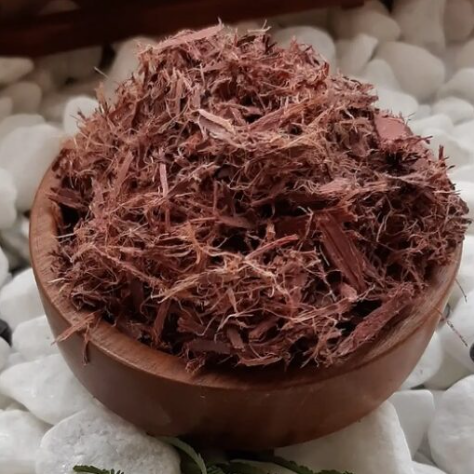

Whether you’re a wellness brand formulating natural skincare, an herbal supplement company, or an eco-conscious dye artisan, Mimosa hostilis root bark wholesale is one of the most strategically valuable bulk botanicals you can source. This comprehensive guide covers everything serious buyers need to know — from bioactive compounds and industry applications to supplier vetting, legal considerations, and procurement best practices.
1. What Is Mimosa Hostilis Root Bark?
Mimosa hostilis (also known as Mimosa tenuiflora, Jurema Preta, or Black Jurema) is a perennial tree or large shrub native to the semi-arid Caatinga biome of northeastern Brazil. It also grows across parts of Mexico, Colombia, Venezuela, Panama, El Salvador, and Honduras.
The plant grows rapidly — reaching 2 to 8 meters in height — and is remarkably drought-resistant, thriving in poor soils where other plants struggle. This resilience makes it a sustainable commercial crop when managed responsibly.
The most commercially important part of the plant is its inner root bark (IRB), which is harvested from mature plants (typically 3–5 years old). At maturity, the inner root bark contains the highest concentration of bioactive compounds, making it the preferred raw material for industrial, cosmetic, and ceremonial uses.
2. Key Bioactive Compounds & Why They Matter
Understanding the chemistry of MHRB (Mimosa Hostilis Root Bark) helps buyers source correctly for their application:
| Compound | Concentration | Primary Use |
|---|---|---|
| N,N-DMT (Dimethyltryptamine) | ~0.31–1% (dry weight) | Ceremonial / entheogenic use |
| Tannins | High | Tanning leather, astringent skincare |
| Saponins | Moderate | Foam agents, natural cleansers |
| Lupeol | Present | Anti-inflammatory, wound healing |
| Quercetin | Present | Antioxidant, anti-aging |
| Tryptamine alkaloids | Trace | Pharmacological research |
| Natural pigments (tannin-based) | High | Textile and fabric dyeing |
The tannin and lupeol content is particularly significant for cosmetic formulators, as these compounds have been validated in peer-reviewed research for their wound-healing, anti-inflammatory, and antimicrobial properties.
3. Who Buys Mimosa Hostilis Root Bark in Bulk?
Wholesale MHRB buyers span multiple industries:
- Cosmetic and skincare manufacturers formulating healing creams, serums, and burn treatments
- Herbal supplement brands creating adaptogenic or traditional medicine blends
- Natural dye studios and sustainable fashion labels seeking plant-based colorants
- Tannery and leather goods manufacturers using the bark’s tannin content
- Ceremonial and spiritual product suppliers operating in jurisdictions where DMT-containing plants are legal
- Ethnobotanical research institutions studying traditional plant medicine
- Soap and personal care formulators leveraging the saponin content
4. Top 6 Industry Applications
4.1 Advanced Wound Healing & Dermatology
This is arguably the most scientifically validated commercial application. Research from Brazilian ethnobotany and dermatology studies has documented Mimosa tenuiflora’s effectiveness in:
- Accelerating wound closure and skin regeneration
- Reducing inflammation in burn injuries (it has been used in Brazilian folk medicine for burns for centuries)
- Inhibiting certain bacterial strains responsible for skin infections
- Supporting collagen synthesis due to its tannin and lupeol composition
Bulk buyer tip: For dermatological products, source pharmaceutical-grade or cosmetic-grade MHRB with a Certificate of Analysis (CoA) confirming tannin content and absence of heavy metals.
4.2 Premium Skincare Formulation
Beyond wound healing, MHRB extracts and powders are entering mainstream skincare for:
- Anti-aging serums — quercetin and other polyphenols combat oxidative stress
- Acne treatments — antimicrobial tannins reduce P. acnes activity
- Sensitive skin balms — lupeol’s anti-inflammatory action soothes redness and rosacea
- Scalp treatments — traditional applications for hair growth stimulation
Wholesale powder (finely milled inner root bark) and water/alcohol extracts are both popular forms for cosmetic manufacturing.
4.3 Natural & Sustainable Textile Dyeing
Mimosa hostilis root bark produces one of the most prized natural dye palettes available — a range of deep purples, rich reds, and warm burgundies, depending on the mordant used:
| Mordant | Resulting Color |
|---|---|
| Alum | Purple-mauve |
| Iron | Deep charcoal-purple |
| Copper | Warm reddish-brown |
| Tannin pre-mordant | Rich burgundy |
With the global natural dye market growing alongside sustainable fashion, bulk MHRB for dyeing is a growing procurement category for zero-waste textile brands and artisan studios.
4.4 Traditional & Ceremonial Uses (Ayahuasca / Jurema)
Mimosa hostilis root bark is a primary DMT source in the traditional Jurema ceremonial drink of northeastern Brazil’s indigenous peoples (Kariri-Xocó, Pankararu, and Fulni-ô nations, among others). It is also increasingly used internationally as a Banisteriopsis caapi-free ayahuasca analog.
Wholesale buyers in this category are typically:
- Retreat centers and ceremonial facilitators (in legal jurisdictions)
- Religious organizations with protections under freedom of religion laws
- Ethnobotanical research suppliers
Critical: The legality of DMT-containing plant material varies significantly by country and jurisdiction. See Section 7 below for a detailed breakdown.
4.5 Animal Feed & Agricultural Applications
Less commonly known, Mimosa tenuiflora pods and leaves have been studied as protein-rich animal fodder in semi-arid regions, and the bark’s tannin content is being explored as a natural antiparasitic supplement in livestock feed. This is an emerging wholesale market in Latin American agricultural supply chains.
4.6 Veterinary Wound Care
Parallel to human dermatology applications, MHRB extracts are being formulated into veterinary wound sprays and ointments, particularly in Brazil, where the plant’s therapeutic use in animals has a long folk tradition.
5. Why Buy Wholesale Instead of Retail?
Purchasing bulk Mimosa hostilis root bark over retail quantities is the right move for any serious commercial buyer. Here’s why:
Cost Per Kilogram Comparison
| Quantity | Approx. Price/kg (USD) | Savings vs. 100g retail |
|---|---|---|
| 100g (retail) | ~$30–50/kg equivalent | Baseline |
| 1 kg | ~$15–25/kg | ~40–50% |
| 5 kg | ~$10–18/kg | ~55–65% |
| 25 kg | ~$7–12/kg | ~70–80% |
| 100 kg+ | ~$5–9/kg | ~80–85% |
(Prices vary by supplier, grade, origin, and market conditions.)
Beyond cost, wholesale purchasing offers:
- Supply chain security — no stockouts during peak production periods
- Batch consistency — same harvest lot across a production run means consistent product performance
- Supplier priority — wholesale accounts typically get preferential treatment on limited harvests
- Custom specifications — bulk buyers can negotiate particle size, moisture content, and packaging
6. How to Evaluate a Wholesale Supplier
This is the most important section for buyers. The MHRB market has a higher-than-average rate of adulteration, mislabeling, and quality inconsistency. Here is a rigorous supplier vetting checklist:
Documentation to Request Before Ordering
- Certificate of Analysis (CoA) — from a third-party lab, not self-certified. Should specify alkaloid profile, tannin content, moisture percentage, heavy metals, microbial contamination, and pesticide residues.
- Certificate of Origin — should trace back to a specific growing region (most premium MHRB comes from Bahia, Pernambuco, or Minas Gerais, Brazil).
- CITES compliance documentation (if applicable) — while Mimosa hostilis is not currently CITES-listed, responsible suppliers document sustainable harvesting.
- GMP or ISO certification — especially critical for cosmetic or supplement-grade material.
- Phytosanitary certificate — required for import into most countries.
Physical Quality Indicators
- Color: Inner root bark should be a rich reddish-purple to dark brown. Pale or bleached material suggests old stock or improper drying.
- Aroma: Earthy, slightly sweet, with a faint woody-resinous note. Sharp chemical odors are a red flag.
- Moisture content: Should be below 12%. High moisture accelerates mold and alkaloid degradation.
- Particle consistency: For powders, even grind with no large fibrous chunks indicates proper processing.
Supplier Red Flags
- No third-party CoA available
- Unwillingness to provide origin information
- Prices significantly below market average (often indicates adulteration or substitution with other Mimosa species)
- No verifiable physical address or business registration
- Pressure to pay only via cryptocurrency (for legal plant material, standard payment methods should be available)
Recommended Due Diligence Steps
- Request a sample order (100–500g) before committing to bulk
- Have the sample independently tested by an accredited laboratory
- Check the supplier’s business registration and legal standing in their country of operation
- Request references from existing wholesale clients
- Review independent reviews on verified platforms (not just testimonials on the supplier’s own website)
7. Legal Considerations by Region
This is a critical section that most wholesale guides neglect. The legal status of Mimosa hostilis root bark varies depending on your country and the intended use:
Key Legal Framework
Mimosa hostilis root bark itself is not a controlled substance in most countries. However, DMT — one of its naturally occurring alkaloids — is a Schedule I controlled substance in the United States, a Class A drug in the UK, and similarly restricted in many other nations.
The legal question centers on intent: is the buyer purchasing MHRB for its DMT content, or for its tannins, dye pigments, or wound-healing compounds?
| Region | Status Summary |
|---|---|
| Brazil | Legal to buy, sell, and possess. DMT-containing plants are not scheduled. |
| United States | MHRB itself is in a legal grey area. DMT extraction is illegal under federal law. |
| European Union | Varies by member state. Generally legal as a botanical; extraction for DMT is illegal. |
| United Kingdom | Legal to possess as a plant; DMT extraction is illegal under the Misuse of Drugs Act. |
| Canada | MHRB is legal; DMT is Schedule III. |
| Australia | MHRB is a Schedule 9 prohibited plant in some states; check state-specific regulations. |
| Netherlands | Smart shops historically sold MHRB legally; check current municipal regulations. |
8. Sustainable Sourcing & Ethical Procurement
Responsible wholesale buyers are increasingly asking the right questions about how their MHRB is harvested. Here’s what to look for:
Sustainable Harvesting Practices
- Selective root harvesting rather than whole-tree removal preserves plant populations
- Rotation harvesting — responsible suppliers allow 5–7 years of regrowth between harvests from the same root zone
- Replanting programs — some premium suppliers invest in reforestation of harvested areas
Fair Trade & Community Benefit
Much of Brazil’s MHRB is harvested by smallholder farming communities in economically vulnerable regions of the Northeast. Buyers who prioritize direct trade relationships or fair trade certification ensure:
- Fair wages for harvesters
- Community investment and infrastructure support
- Preservation of traditional ecological knowledge
Certifications to Look For
- Organic certification (USDA Organic, EU Organic, or Brazilian equivalents)
- Fair for Life or Fair Trade USA certification
- Rainforest Alliance or equivalent ecological certification
9. Pricing Guide: What to Expect in 2026
The global MHRB market has seen price fluctuations due to:
- Brazil’s seasonal rainfall affecting harvests in the Caatinga region
- Increased global demand from the wellness and psychedelic-assisted therapy sectors
- Stricter export documentation requirements increasing logistics costs
2025 Wholesale Price Benchmarks
Whole/Shredded Inner Root Bark:
- Standard grade: $6–$12/kg (FOB Brazil) at 25kg+ quantities
- Premium/Organic grade: $12–$20/kg
Finely Milled Powder:
- Standard: $8–$15/kg at 25kg+
- Pharmaceutical/cosmetic grade: $18–$35/kg
Standardized Extracts (10:1, 20:1):
- $40–$100/kg depending on standardization ratio and grade
Note: Import duties, shipping, and broker fees will add 15–40% to FOB prices depending on destination.
10. How to Store Bulk Mimosa Hostilis Root Bark
Proper storage is essential to preserving the bioactive compound profile of your bulk inventory:
- Temperature: Store at 15–25°C (59–77°F). Avoid temperature fluctuations.
- Humidity: Keep relative humidity below 55%. High humidity promotes mold, especially in powdered forms.
- Light: Store in opaque or UV-resistant containers. Exposure to light degrades alkaloids and tannins over time.
- Packaging: Original vacuum-sealed packaging preserves freshness longest. Once opened, reseal in airtight, food-grade containers with desiccant packets.
- Shelf Life: Properly stored whole bark retains potency for 2–3 years. Powder has a shorter shelf life of 12–18 months post-milling due to increased surface area oxidation.
- Pest Prevention: Keep off the floor; inspect regularly for signs of insect activity, particularly in humid climates.
11. Frequently Asked Questions
Q: What is the difference between inner root bark (IRB) and outer root bark? The inner root bark (the reddish-purple layer beneath the rough outer bark) contains the highest concentration of bioactive compounds — particularly alkaloids and tannins. The outer bark has significantly lower potency and is generally not suitable for most commercial applications. Always confirm you are purchasing IRB.
Q: Is Mimosa hostilis the same as Mimosa tenuiflora? Yes. Mimosa tenuiflora is the currently accepted botanical name; Mimosa hostilis is an older synonym. Both refer to the same plant species. In commerce, “Mimosa hostilis” remains the dominant trade name.
Q: What minimum order quantities do wholesale suppliers typically require? Most legitimate wholesalers set MOQs between 1–5 kg for first orders, scaling to 25–100 kg minimum for preferred wholesale pricing. Expect lower per-unit prices as order volume increases.
Q: Can I import Mimosa hostilis root bark for cosmetic use? In most jurisdictions, yes — importing MHRB for cosmetic, dye, or research use is legal, though it requires proper phytosanitary documentation and customs declarations. Always work with a licensed customs broker for large import quantities.
Q: How can I verify a supplier’s CoA is legitimate? Request the name and accreditation number of the testing laboratory, then contact the lab directly to verify the report. Accredited labs will confirm the authenticity of documents they issued.
Q: What is the best form to purchase for skincare manufacturing? For most cosmetic applications, finely milled powder (200 mesh or finer) or standardized extracts offer the most consistent formulation results. Whole bark requires additional processing steps.
12. Final Verdict
Mimosa hostilis root bark wholesale is not a commodity purchase — it is a strategic sourcing decision that requires due diligence, supplier vetting, and an understanding of both the science and the regulatory landscape.
For businesses in skincare, herbal wellness, sustainable fashion, or ceremonial products, MHRB offers a genuinely rare combination: a plant with deep ethnobotanical roots, scientifically validated bioactive properties, and a growing global market.
The buyers who will win long-term are those who:
- Build direct relationships with verified, sustainable suppliers in Brazil
- Invest in independent quality testing before committing to large orders
- Stay current on the evolving legal landscape in their target markets
- Choose grade-appropriate material matched to their specific application
If you’re ready to move from retail to wholesale — or upgrade your current supply chain — use this guide as your procurement foundation and demand the documentation standards outlined in Section 6 from every supplier you evaluate.