
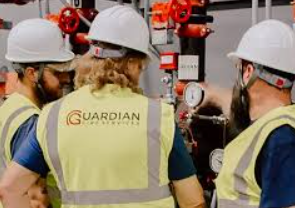

A few years ago, I walked into a small commercial building where everything looked perfectly fine at first glance. Clean floors, working lights, organized offices. But during a routine fire safety check, something stood out immediately: the emergency exit door was locked from the inside because “people kept misusing it.” That one decision alone could have turned a small fire into a major tragedy.
That experience is exactly why fire safety is not just a legal requirement—it’s a survival system.
In this guide, I’ll break down fire safety checks, fire protection systems, and compliance services in a simple, practical way so you understand not just what they are, but why they actually matter in real life.
What Are Fire Safety Checks?
Fire safety checks are structured inspections carried out to identify fire risks before they turn into real incidents. Think of them as a health check-up for a building’s safety system.
Instead of waiting for a fire emergency, these checks help you spot weak points early.
Key Areas Covered in Fire Safety Checks
A proper inspection usually includes:
1. Fire Alarm & Detection Systems
Smoke detectors and fire alarms are tested to ensure they respond instantly in case of smoke or heat detection.
2. Fire Extinguishers
Inspectors check:
- Expiry dates
- Pressure levels
- Proper placement
- Accessibility during emergencies
3. Emergency Exits
Exit routes must always be:
- Clearly marked
- Unlocked
- Free from obstruction
- Easy to access even in darkness
4. Electrical Safety
Many fires start from electrical faults. Inspectors look for:
- Overloaded circuits
- Damaged wiring
- Unsafe extensions or connections
5. Evacuation Plans
A good safety plan only works if people actually know it. Checks ensure employees or occupants understand evacuation steps.
Why Fire Safety Checks Matter
Fire safety checks are not just routine paperwork. They directly impact survival and damage control.
Major benefits include:
- Early detection of fire hazards
- Reduced risk of property loss
- Improved emergency response time
- Compliance with legal safety standards
- Increased confidence for employees and occupants
In many real cases, a simple missed inspection has led to avoidable disasters. Prevention is always cheaper—and safer—than recovery.
Understanding Fire Protection Systems
Fire protection refers to all systems designed to either prevent fire or control it once it starts. It is divided into two main categories: active and passive systems.
Active Fire Protection Systems
These systems respond directly during a fire.
Fire Sprinkler Systems
Sprinklers activate automatically when heat levels rise, helping control fire before it spreads.
Fire Alarms
They alert everyone inside the building so evacuation can begin immediately.
Fire Extinguishers
Portable devices used to control small fires before they escalate.
Smoke Control Systems
These systems help manage smoke movement, improving visibility and reducing suffocation risks during evacuation.
Passive Fire Protection Systems
Passive systems don’t activate during fire—they work continuously in the background to slow fire spread.
Fire-Resistant Materials
Walls, doors, and ceilings are built with materials that resist high temperatures.
Compartmentation
Buildings are divided into sections so fire cannot spread easily from one area to another.
Emergency Lighting
When power fails, emergency lights guide people safely toward exits.
Why Fire Protection Is Essential
Without fire protection systems, even a small spark can turn into total destruction.
Key advantages:
- Limits fire spread and damage
- Protects human life
- Reduces repair and replacement costs
- Helps maintain business continuity
- Supports insurance and legal compliance
What Are Fire Safety Compliance Services?
Compliance services ensure that buildings follow fire safety laws, building codes, and regulatory standards. These services are especially important for commercial properties, schools, hospitals, and industrial buildings.
If fire protection is the system, compliance is the rulebook that makes sure everything is done correctly.
Core Components of Compliance Services
1. Fire Risk Assessments
Experts identify potential hazards and recommend corrective actions.
2. Safety Training Programs
Employees are trained on:
- Fire response
- Evacuation procedures
- Proper extinguisher use
3. Legal Inspections & Certification
Buildings are checked to ensure they meet required fire codes and safety regulations.
4. Equipment Maintenance
Regular servicing of:
- Fire alarms
- Sprinklers
- Extinguishers
5. Evacuation Drills
Practicing emergency response ensures people react correctly under pressure.
What Happens If You Don’t Comply?
Ignoring fire safety regulations can lead to serious consequences:
- Heavy legal penalties or fines
- Business closure orders
- Insurance claim rejection
- Increased liability in accidents
- Damage to brand reputation
In many cases, non-compliance doesn’t just cause financial loss—it puts lives at risk.
Real-World Importance of Fire Safety Integration
The real strength of a safe building comes when all three elements work together:
- Fire Safety Checks → Identify risks
- Fire Protection → Control fire impact
- Compliance Services → Ensure legal and structural safety
When even one of these is missing, the entire system becomes weak.
Simple Fire Safety Checklist (Quick Reference)
Here’s a practical checklist you can use:
- Smoke detectors tested monthly
- Fire extinguishers inspected and accessible
- Emergency exits clear and unlocked
- Electrical systems checked regularly
- Staff trained in evacuation procedures
- Fire drills conducted periodically
- Safety equipment maintained on schedule
Conclusion
Fire safety is not just a regulatory requirement—it’s a system that protects lives, property, and long-term stability. Fire safety checks help detect risks early, fire protection systems control damage during emergencies, and compliance services ensure everything meets legal and safety standards.
A safe building is never an accident. It is always the result of consistent checks, proper systems, and responsible planning.
If you treat fire safety as a priority rather than a formality, you significantly reduce risks and create a safer environment for everyone inside the building.